Keep warmth, protection, and mobility in harsh winter conditions with rugged bib overalls built for cold, wet, and windy days. This guide highlights five top picks that blend insulation, durability, and practical features for professional and DIY use. Each option comes from trusted brands and offers a balance of warmth, fit, and abrasion resistance to help you stay productive in the chilly months.
| Product | Brand | Insulation / Warmth | Key Feature |
|---|---|---|---|
| Carhartt Mens Loose Fit Washed Duck Insulated Bib Overall | Carhartt | Insulated, 12 oz cotton | Adjustable suspenders, Cordura kick panels |
| Dickies Insulated Bib Overalls | Dickies | Insulated; warm lining | Dual-side logo; comfortable fit |
| Ergodyne N-Ferno 6471 Insulated Bibs | Ergodyne | 3M Thinsulate; -15°F to -26°C rating | Removable knee/shin pads; rugged shell |
| HISEA Insulated Bib Overalls | HISEA | 120g insulation | Water resistance; storm flap zippers |
| TRUEWERK T3 WerkBibs | TRUEWERK | Fleece lining; water-repellent | Eight pockets; durable WerkFabric |
Carhartt Insulated Bib Overalls

Carhartt’s loose-fit insulated bibs use a 12-ounce 100% cotton ringspun washed duck fabric for durability with a comfortable feel. The adjustable front-elastic suspenders help tailor the fit, while stretch side panels improve mobility. Cordura-reinforced kick panels add abrasion resistance for tougher tasks in cold conditions. These bibs suit outdoor trades and warehouse work where warmth and movement matter.
Key considerations: warmth level, mobility, and fabric durability. The washable cotton duck and reinforced panels help sustain daily use in cold environments. For wear over base layers, verify your typical layering style to balance warmth and freedom of movement.
Dickies Insulated Bib Overalls
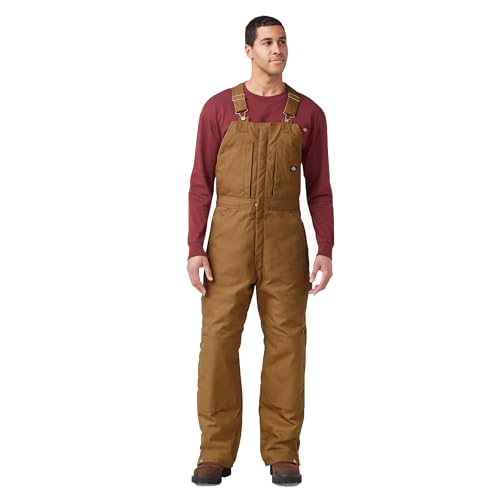
Dickies insulated bibs combine rugged brown duck fabric with a functional fit. The dual-sided logo and strategic design emphasize comfort and practicality for daily work in winter conditions. These overalls are designed with warmth and reliable fit in mind, making them suitable for technicians, installers, and general tradespeople working outdoors or in unheated spaces.
Key considerations: branding, fit, and ease of movement. As with any insulated bib, ensure you have enough room for layering beneath the bibs without restricting mobility during bending and crawling tasks.
Ergodyne N-Ferno 6471 Insulated Bibs

Ergodyne N-Ferno 6471 bibs are built for extreme cold with a temperature rating down to -15°F (-26°C) for up to five hours. The rugged 500D nylon shell repels wind and water, while 3M Thinsulate insulation traps heat to maintain warmth. Removable knee/shin pads provide added protection for kneeling work, making these bibs a solid choice for installers and technicians performing outdoor or wet-winter tasks.
Key considerations: extreme cold performance, shell protection, and removable pads. For users who kneel frequently, consider the padded option that these provide to reduce kneecap fatigue during long shifts outside.
HISEA Insulated Bib Overalls

HISEA insulated bibs use a 10.5 oz high-density duck canvas shell with 120g insulation for warmth without bulk. The water-repellent coating adds weather resistance ideal for light rain or snow. Adjustable elastic straps and a high back help retain heat, while storm flaps on front zippers and leg zippers aid in easy on/off in cold weather. These features support mobility and comfort during extended outdoor work.
Key considerations: insulation weight, water resistance, and adjusting features. If you work in damp or windy environments, windproof layering and a good base layer can maximize warmth and comfort in these bibs.
TRUEWERK T3 WerkBibs

TRUEWERK T3 WerkBibs offer a robust combination of warmth and usability with their T3 WerkFabric that features water-repellent and abrasion-resistant outer material and a soft fleece inner surface. Eight pockets across the chest, thighs, and legs provide ample storage while protecting legs from tools. The design emphasizes a balance of comfort, warmth, and practical utility for cold-weather fieldwork and snow tasks. The bonded grid fleece lining adds warmth without bulk.
Key considerations: pocket layout, fabric strength, and warmth versus bulk. For workers needing quick access to tools, verify pocket placement and accessibility while wearing gloves.
Buying Guide
- Insulation and warmth level: Consider the climate and typical job duration in freezing temperatures. Heavier insulation offers warmth but can limit mobility; lighter insulation improves range of motion but may require layering.
- Outer shell material: Look for water-repellent or waterproof shells for snow, rain, or slush. Durable fabrics like duck canvas or nylon blends resist tears and abrasions in rough environments.
- Fit and layering: Loose or relaxed fits accommodate base layers and movement; ensure straps and backs provide warmth without restricting the torso or shoulders.
- Storage and accessibility: Pockets should be easily reachable with gloves. Zippers and knee areas should allow for kneeling and tool access without sacrificing warmth.
- Durability features: Reinforced knees, brass zippers, and kick panels extend life in demanding outdoor work.
- Maintenance: Check washing instructions for insulation and fabric care. Some models are easier to clean and dry, which is important for daily wear in winter.
- Special features: Removable knee pads, storm flaps, side stretch panels, and back warmth are valuable for specific trades and tasks. Consider which features align with your work duties.
- Brand reliability: Reputable brands often provide better durability and warranty support, which matters for frequent winter use.
Add a Comment